Blog

Differences and Usages of Horn Plantains and Hawaiian Plantains

Horn plantains and Hawaiian plantains are two distinct varieties of plantains, each with unique characteristics and culinary uses. Horn plantains, known for their elongated, curved shape, are starchy and often used in savory dishes. Hawaiian plantains, smaller and sweeter, are ideal for desserts. Understanding these differences can enhance culinary experiences, as each type of plantain brings its own flavor and texture to various recipes.

Differences and Usages of Horn Plantains and Hawaiian Plantains Read More »

How to Make Delicious Tostones de Plátano Verde

Tostones de plátano verde are a popular snack and side dish in many Latin American and Caribbean countries. Made from green plantains, they are double-fried to achieve a crispy exterior and soft interior. The process involves slicing the plantains, frying them until golden, flattening them, and then frying them again. Tostones are typically seasoned with salt and can be served with a variety of dips and sauces, making them a versatile and tasty addition to any meal.

How to Make Delicious Tostones de Plátano Verde Read More »

Exploring the Delight of Hawaiian Tostones

Hawaiian tostones are a unique twist on the traditional Latin American snack, combining the flavors of fried plantains with tropical Hawaiian ingredients. This delicious fusion dish often includes a topping of fresh pineapple salsa, succulent pulled pork, and a drizzle of teriyaki sauce. Hawaiian tostones offer a crispy and savory base that pairs perfectly with the sweet and tangy flavors, making them a delightful appetizer or snack for any occasion.

Exploring the Delight of Hawaiian Tostones Read More »

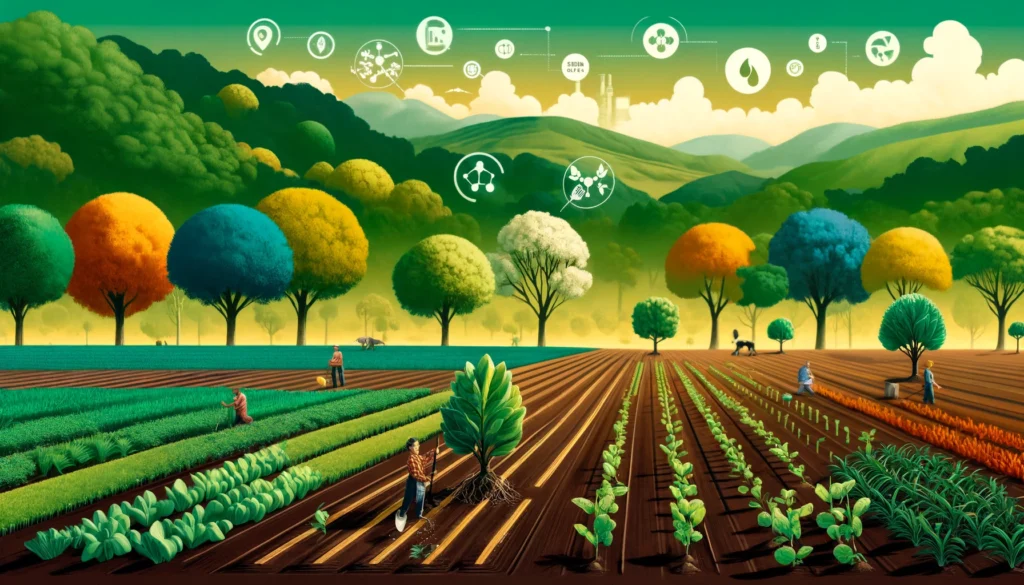
Enabling Factors and Barriers to the Implementation and Scaling-Up of Agroforestry

Agroforestry is gaining visibility globally but faces barriers such as inefficient markets, unclear land rights, limited access to knowledge and finance, and lack of intersectoral collaboration. Key actions to scale-up agroforestry include improving access to credit, markets, high-quality planting material, and participatory research. Case studies like the Kenya Agricultural Carbon Project demonstrate the potential of agroforestry to increase yields, improve resilience, and sequester carbon, showcasing its benefits for climate change mitigation and adaptation.

Enabling Factors and Barriers to the Implementation and Scaling-Up of Agroforestry Read More »

Agroforestry for Adaptation and Ecosystem Resilience

Climate change poses significant risks to agriculture, such as droughts, flooding, and pests. Agroforestry offers a resilient solution at both the farm and landscape levels by reducing air pollution, enhancing microclimates, and improving water security. It supports several Sustainable Development Goals (SDGs), promoting sustainable food production, climate change adaptation, and land restoration. Agroforestry also provides diverse ecosystem services, boosts food security, and reduces gender inequalities in farming.

Agroforestry for Adaptation and Ecosystem Resilience Read More »

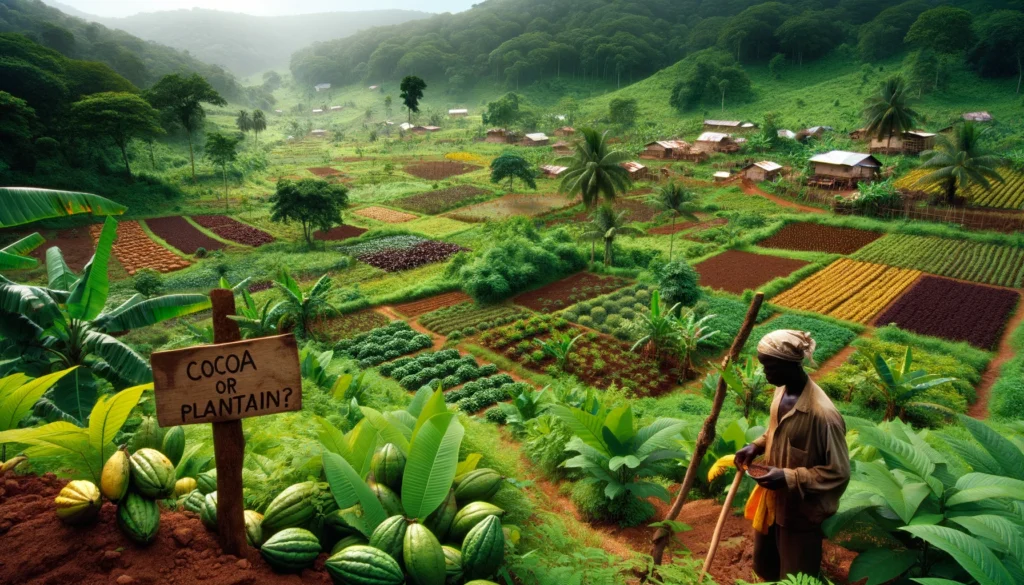
Role and Status of Plantain in Agroforestry Systems of South West Cameroon: Which Pathways to Productive and Sustainable System?

The article discusses the integration of plantains into agroforestry systems in South West Cameroon, addressing the challenges faced by farmers due to fluctuating cocoa prices and local economic disruptions. To mitigate these issues, farmers employ two main strategies: diversifying cocoa plantations with plantains and other crops, or expanding food crop cultivation by clearing and burning forest land. The study, based on 200 plots across 15 villages, highlights the high prevalence of cocoa-plantain associations, aiming to find sustainable cropping systems that are agronomically, environmentally, and economically viable.

Role and Status of Plantain in Agroforestry Systems of South West Cameroon: Which Pathways to Productive and Sustainable System? Read More »

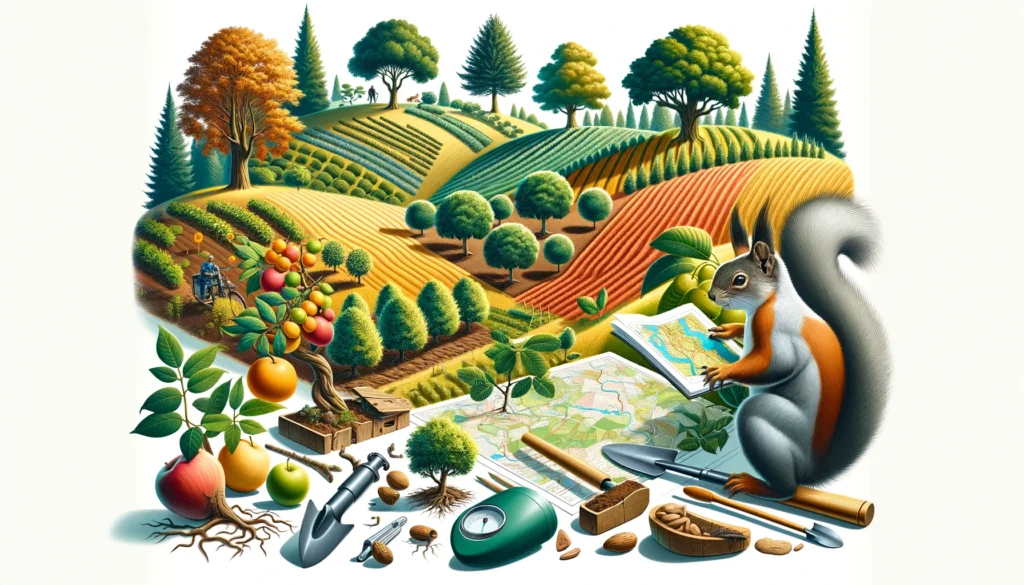
Desirable Characteristics of Tree Species for Agroforestry Systems

When selecting tree species for agroforestry systems, several characteristics are vital to consider. Ideal species should not interfere with soil moisture or compete with crops for water, nutrients, or sunlight. They should help in building soil fertility, particularly through nitrogen fixation, and have a deep tap root system. Trees must be hardy, have high survival rates, and withstand pruning. Fast-growing species with wider adaptability, such as Poplar and Casuarina, are recommended for their multiple benefits, including soil stabilization and nutrient cycling.

Desirable Characteristics of Tree Species for Agroforestry Systems Read More »

The Significance of Product Origin: Why it Matters

In a world where products travel vast distances, the origin of what we consume holds newfound importance. From environmental impact to social implications, understanding a product’s origin can shape our choices and values. By prioritizing transparency and considering the journey a product takes, consumers can advocate for sustainability, support local economies, and preserve cultural heritage in a global marketplace.

The Significance of Product Origin: Why it Matters Read More »

Breadfruit Processing Plant Project Report 2024: Industry Trends, Plant Setup, Machinery, Raw Materials, Investment Opportunities, Cost and Revenue

The 2024 report on Breadfruit Processing Plant details emerging industry trends, providing insights into plant setup and necessary machinery. It delves into the procurement of raw materials and outlines various investment opportunities. The report also offers a comprehensive analysis of costs and potential revenue, serving as a vital resource for investors and entrepreneurs considering entering the breadfruit processing industry.

Breadfruit Processing Plant Project Report 2024: Industry Trends, Plant Setup, Machinery, Raw Materials, Investment Opportunities, Cost and Revenue Read More »

Adaptations to Climate Change in Food Systems

The IPCC’s 6th Assessment Report emphasizes the severe impacts of human-induced climate change on agriculture and food systems, highlighting the urgent need for effective adaptation and mitigation strategies. Ecosystem-based approaches such as land restoration and agroforestry are recommended to enhance food production and ecosystem health, ensuring stability in yields. This special issue further explores adaptation strategies, discussing their feasibility and effectiveness, along with socio-economic considerations for achieving climate-resilient development.

Adaptations to Climate Change in Food Systems Read More »

Shopping Cart
Scroll to Top