
William Gibbs

Carbon Capture and Storage (CCS) using nanotechnology

Nanotechnology in Carbon Capture and Storage (CCS) marks a significant leap in reducing CO2 emissions, utilizing carbon nanotubes for more efficient capture at lower pressures. This method is not only more resource and energy-efficient but also generates less waste compared to conventional CCS technologies. Despite being in the experimental stage, nanotechnology-based CCS holds immense promise for scalable and efficient emission reduction solutions.

Carbon Capture and Storage (CCS) using nanotechnology Read More »

Carbon Capture and Storage (CCS)

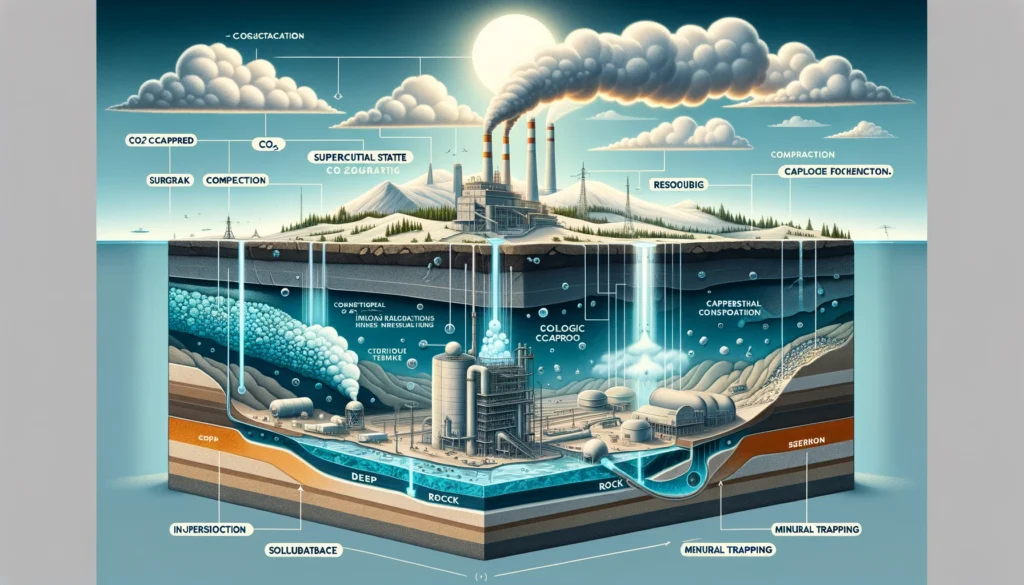
Carbon Capture and Storage (CCS) is a key technological approach in tackling climate change, focusing on capturing carbon dioxide emissions from industrial and power generation sources, and then securely storing them underground. This process involves capturing CO2, transporting it to storage sites, and injecting it into geological formations, like depleted oil fields or saline aquifers, for long-term containment. CCS offers a transitional solution for reducing emissions while allowing for the continued use of fossil fuels, but faces challenges such as high costs and the need for comprehensive regulatory frameworks.

Carbon Capture and Storage (CCS) Read More »

Geologic Sequestration: A Key Solution for Carbon Dioxide Storage

Geologic sequestration is a key method for long-term underground carbon dioxide (CO₂) storage, preventing its atmospheric release and aiding in climate protection. This process involves injecting CO₂ into deep rock formations, using various mechanisms like structural and mineral trapping to ensure secure storage. Regulated by strict safety and monitoring protocols, geologic sequestration is pivotal for decarbonizing major sectors and has an estimated global storage capacity of 55,000 billion tonnes.

Geologic Sequestration: A Key Solution for Carbon Dioxide Storage Read More »

Breadfruit Pudding Recipe

Breadfruit Pudding, a tropical delight, transforms the starchy richness of ripe breadfruit into a sweet, comforting dessert. Infused with warm spices like nutmeg and cinnamon, and enriched with milk, sugar, and butter, it bakes into a golden, aromatic delight. This simple yet exotic dish brings a taste of the tropics to your table, embodying the essence of island culinary tradition.

Breadfruit Pudding Recipe Read More »

Absorption-Based Post-Combustion Capture of Carbon Dioxide

The article provides a comprehensive review of advancements in absorption-based post-combustion carbon capture technologies, emphasizing their role in achieving a sustainable energy sector and a cleaner environment. It explores various solvents and absorbents used for CO2 capture, highlighting recent developments in nanomaterials and offering insights for future research in this vital field【published in the journal sustainability ).

Absorption-Based Post-Combustion Capture of Carbon Dioxide Read More »

The Vital Role of Carbon in Earth’s Ecosystem and Soil’s Key Position in the Carbon Cycle

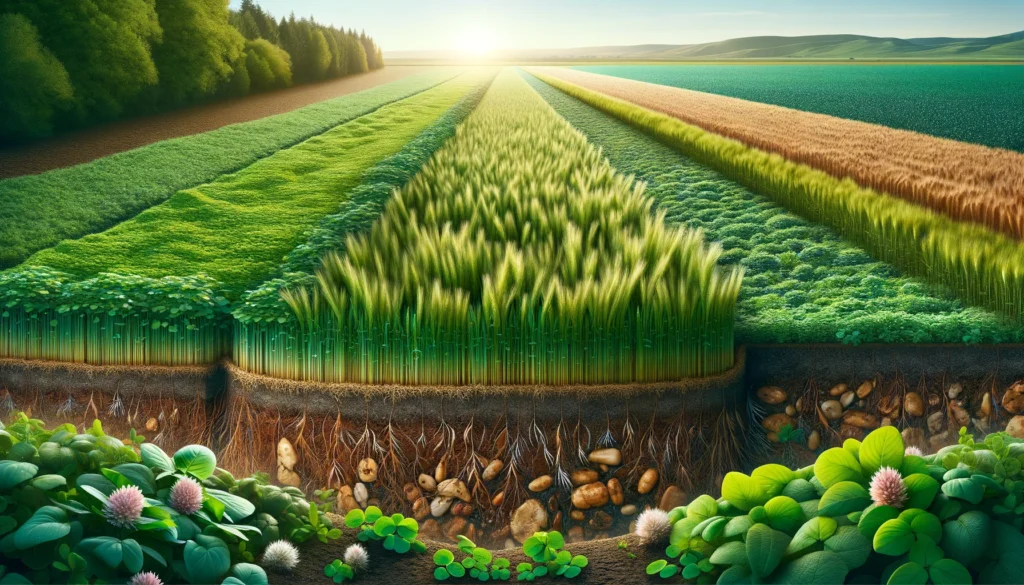
Enhancing soil carbon sequestration offers a multi-faceted approach to mitigating climate change and improving agricultural sustainability. Practices such as conservation tillage, cover cropping, and crop rotation not only capture atmospheric CO2 but also enhance soil quality, reduce erosion, and increase crop yields. However, the effectiveness of these methods depends on careful management and consideration of potential costs, both environmental and economic.

The Vital Role of Carbon in Earth’s Ecosystem and Soil’s Key Position in the Carbon Cycle Read More »

Impact of Tree Diameter on Carbon Sequestration: Insights from a Study in Punjab, Pakistan

The study at Punjab Forestry Research Institute, Faisalabad, analyzed carbon sequestration in 773 trees of 75 species, aged 40 years on average. Eucalyptus botryoides showed the highest CO2 sequestration (3527 kg), while Robinia pseudoacacia sequestered the least (6 kg). The study found that tree diameter, not age or density, significantly impacts carbon sequestration. This revelation is crucial for forest management and climate change strategies, underscoring tree size’s role in carbon storage.

Impact of Tree Diameter on Carbon Sequestration: Insights from a Study in Punjab, Pakistan Read More »

Carbon Sequestration Potential of Breadfruit Trees

Breadfruit trees, scientifically known as Artocarpus altilis, play a significant role in climate-smart agriculture due to their carbon sequestration capabilities. These long-lived tropical trees, originating in Papua New Guinea and widespread in Polynesia, are important for both food security and environmental sustainability. A study focused on breadfruit in Hawai‘i revealed that these trees, while on the lower end of carbon sequestration among broadleaf tropical trees, can sequester approximately 69.1 tons of carbon per hectare in their above-ground biomass over a 20-year period. This is achieved through practices like reduced tillage and co-cropping, which enhance both above-ground and soil carbon storage. Furthermore, breadfruit’s nutritional profile and socioeconomic benefits make it a valuable crop. However, the development of carbon accounting protocols for breadfruit and similar crops is still evolving, necessitating further research to fully harness their potential in carbon mitigation efforts.

Carbon Sequestration Potential of Breadfruit Trees Read More »

Shopping Cart
Scroll to Top